



Prioritizing Safety and Being Prepared for Unexpected Injuries While Hunting
If you ask a Wisconsinite what their favorite season is, many will say fall – for Wisconsin deer hunting season. Fewer things are more popular in Wisconsin than deer hunting. Throughout the season, Wisconsin outdoorsmen and women venture out into the cold each fall, at various hours of the day, to enjoy one of their favorite hobbies.
But whether you are a bow hunter or a gun hunter, you risk facing injuries.
This blog will guide you through the most common orthopedic injuries hunters may encounter during the season. In addition, you’ll find practical safety tips, strategies for injury prevention, advice on what to do if you experience an injury, and an overview of treatment options. Whether you’re a seasoned hunter or new to the sport, this comprehensive resource aims to help you stay safe, informed, and prepared.
General Hunting Safety and Injury Prevention Tips
One of the best ways to prevent any injury from happening while hunting is to be prepared prior to opening day.
Know Your Surroundings
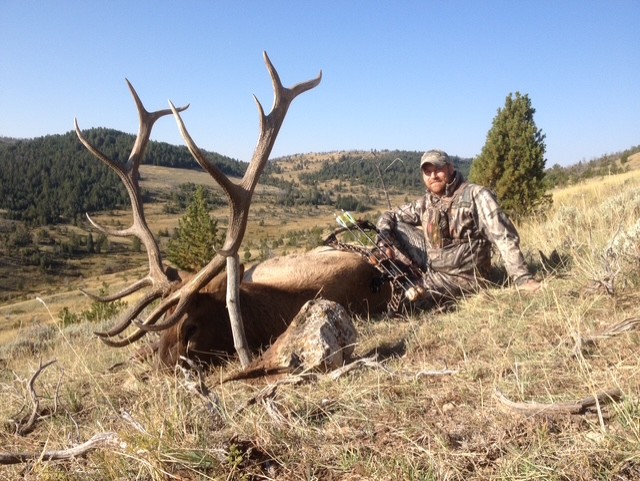
Whether you hunt in the same area, or are checking out a new spot, it is important to know your surroundings. Take the time prior to your first day hunting to check out the area you will be hunting in and get a lay of the land.
Are there any roots sticking out or fallen trees that you need to make notes of? Where are you going to be in comparison to the rest of your group?
Knowing the answer to these questions can either save you from injury or help you get to someone faster if they face an injury and vice versa.
Inspect Gear Early
It’s not enough to simply have the right hunting safety equipment – commit to using it every time you hunt and make certain that you’re using it correctly. Proper equipment is only effective when it is consistently and correctly used and put into place.
- Check that your tree stands are in good condition, secure, and can hold your weight and the weight of all your supplies.
- Make sure to have a harness and that it is properly put on.
- Ensure you have cell phone service where you are hunting, and if you don’t, have radios to communicate with your group. Whatever technology you are using to keep in touch with your group, make sure it is charged.
- Clean and test all weapons well before the season to confirm they are working properly. Being familiar with your equipment, and how it works can help prevent accidents.
Common Orthopedic Hunting Injuries
Upper Extremity Injuries
Rotator Cuff Injuries
The rotator cuff is made up of muscles and tendons that cover the top of the upper arm bone and attach to the shoulder blade, keeping the arm in the shoulder socket. It is a common source of shoulder pain, especially in bow hunters from pulling, or rotating of the shoulder, and gun hunters from the physical action of shooting a gun.
Three common sources of rotator cuff pain that can occur from repetitive overuse from hunting include:
- Tendonitis: Occurs when the rotator cuff tendons become irritated or damaged.
- Bursitis: Occurs when the fluid-filled “pillow” that acts as a cushion between the rotator cuff and shoulder blade becomes irritated and inflamed.
- Tears: Occurs when a tendon in the rotator cuff tears, causing significant pain and weakness. Unlike tendonitis or bursitis, a tear can be caused by an acute or sudden injury.
Rotator Cuff Injury Treatment Options
Typically, tendonitis, bursitis, and minor or partial rotator cuff tears can be treated with non-surgical interventions. Non-surgical treatment options for these rotator cuff injuries include:
- Anti-inflammatory medications
- Rest
- Strengthening exercises
- Orthopedic Injections
Complete rotator cuff tears, and in certain cases, partial rotator cuff tears that do not respond to the conservative treatments above, will most likely require surgery. Rotator cuff surgery is where the torn tendon will be reattached to the upper arm bone to restore proper function.
Forearm Injuries
Since bow hunters rely on the muscles, tendons, and nerves that run through the forearm and into the fingers to draw their bows back and accurately release them, this area is easily susceptible to overuse injuries.
An overuse injury of the forearm includes:
- Medial Epicondylitis: Occurs when the tendons that attach the forearm muscles to the elbow become inflamed.
- Median Nerve Compression (Wrist or Elbow): The median nerve is one of three main nerves that run from the neck to the hand. When this nerve becomes compressed as it travels through the elbow or wrist, it can cause pain, weakness, numbness, and tingling. Symptoms are felt in the hand typically.
Forearm Injury Treatment Options
Typically forearm conditions like medial epicondylitis and median nerve compression can be treated with non-surgical interventions. Non-surgical treatment options for forearm injuries include:
- Splinting
- Anti-inflammatory medications
- Rest
- Activity modification
The goal of any treatment plan is to relieve symptoms and restore long-term function so that patients can get back and stay back doing the activities they enjoy. Therefore, if symptoms stop responding to treatments or quality of life is significantly affected by pain and limited function, surgical options may become the best solution.
Back Injuries, Sprains, Strains, and Fractures
Injuries don’t only occur during hunting season from the act of shooting a gun or drawing a bow. In fact, most serious injuries during hunting occur with falls from tree stands. Specifically, getting into and out of the tree stand are the highest risk times for fall. Tree stand lifelines are now available which allow the hunter to connect his/her harness at the base of the tree and remain connected while getting into the tree, during the hunt, and exiting the tree stand. Falls from a tree stand can carry serious risk of injury including spinal cord injury, upper and lower extremity fractures, spinal compression fractures, and head injury.
Sprains and strains are often encountered during recovery of your animal from the field. Dragging a deer from the woods can be quite strenuous and having appropriate help is important. Common strains include back, quadriceps, and hamstring strains.
Strains
Strains occur when a tendon that connects a muscle to a bone is stretched or tears. The severity of the condition depends on how badly the tendons are torn. Strains may be mild or severe.
Sprains
Sprains occur when a ligament that connects to a bone in a joint is stretched or tears. The severity of the condition depends on how badly the ligaments are torn. Sprains may be mild or severe.
Fractures
Fractures occur when one or more bones are broken. The seriousness of the condition varies based on the number of bones fractures and the extent of each break.
Common Signs of Strains, Sprains, and Fractures are:
- Immediate and severe pain and tenderness
- Swelling
- Bruising
- Difficulty moving or putting weight on the joint
- Abnormal appearance (fracture only)
Strains, Sprains, and Fractures Treatment Options
Because the symptoms of sprains, strains, and fractures are similar, it is important to seek medical advice as soon as possible. Treatment will depend on the seriousness of the sprain, strain, or fracture. Most sprains and strains, whether they are mild or severe, can be treated non-operatively.
Non-surgical treatment for sprains and strains require the following:
- Rest: While resting your injury, you want to protect the injured joint and reduce the swelling. Icing your injury is helpful while resting.
- Restore and Perform: You will want to perform exercises that will restore your range of motion, strength, and flexibility.
Although some fractures can heal without surgical treatment, more serious fractures may require surgical intervention.
Other Injuries
Another common area of injury is during the process of field dressing the animal. Once again, having help during this process can reduce risk of injury. Common injuries include lacerations and hand tendon injuries from sharp bones, bullet/broadhead shrapnel, and knife injuries while field dressing the animal.
Finally, hunters who are poorly conditioned also have a risk for cardiovascular injury including a heart attack. It is important to make sure that friends or family know when you are going into the woods and when to expect your return. It is also important to know where the nearest healthcare center is located and how to call for help as often times we are hunting in more remote areas.
Hunting Injury Prevention Tips
One of the best ways to prevent injuries and other chronic conditions is through stretching and proper strength and conditioning. We have many resources and further information about these conditions on our website at osmsgb.com.
What To Do If You’re Injured
Hunting is a rewarding outdoor activity, but it’s important to prioritize safety and be prepared for unexpected injuries. If you or someone you know experiences an injury while hunting—no matter how minor or severe—don’t hesitate to schedule an appointment with an OSMS orthopedic physician to ensure you get the care you need and can return to the field safely. Your well-being is worth it!